Emergencies often happen without warning, and being prepared at home can make a significant difference in how well your household responds. From natural disasters to unexpected power outages, small steps taken early can help protect both people and property. Home emergency preparation is not about fear but about readiness and peace of mind. With thoughtful planning, families can reduce stress and confusion when it matters most.
Preparing your home also helps ensure basic needs are met during challenging situations. Each improvement you make adds another layer of safety and resilience. Below are practical and manageable ways to prepare your home before disaster strikes.
Create an Emergency Supply Kit
An emergency supply kit is one of the most important preparations every household should have. This kit should include water, non-perishable food, flashlights, batteries, and basic first aid supplies. It is recommended to store enough supplies to last at least three days for each family member. Keeping these items in one accessible location allows for quick action during an emergency.
Remember to include personal items such as medications, hygiene products, and copies of important documents. Regularly checking expiration dates ensures your supplies remain usable when needed. A well-maintained kit helps families feel calm and capable during unexpected events.
Secure Your Home’s Structure and Surroundings
Strengthening your home’s structure can help reduce damage during emergencies like storms or earthquakes. Simple actions such as reinforcing doors, windows, and roofing materials can make a noticeable difference. Outdoor items like furniture or tools should be secured or stored to prevent them from becoming hazards.
Clearing gutters and drains allows water to flow properly and reduces flooding risks. Inside the home, heavy furniture should be anchored to walls for added safety. Routine maintenance helps identify weak points before they become serious problems. These small improvements contribute to a safer and more stable living space.
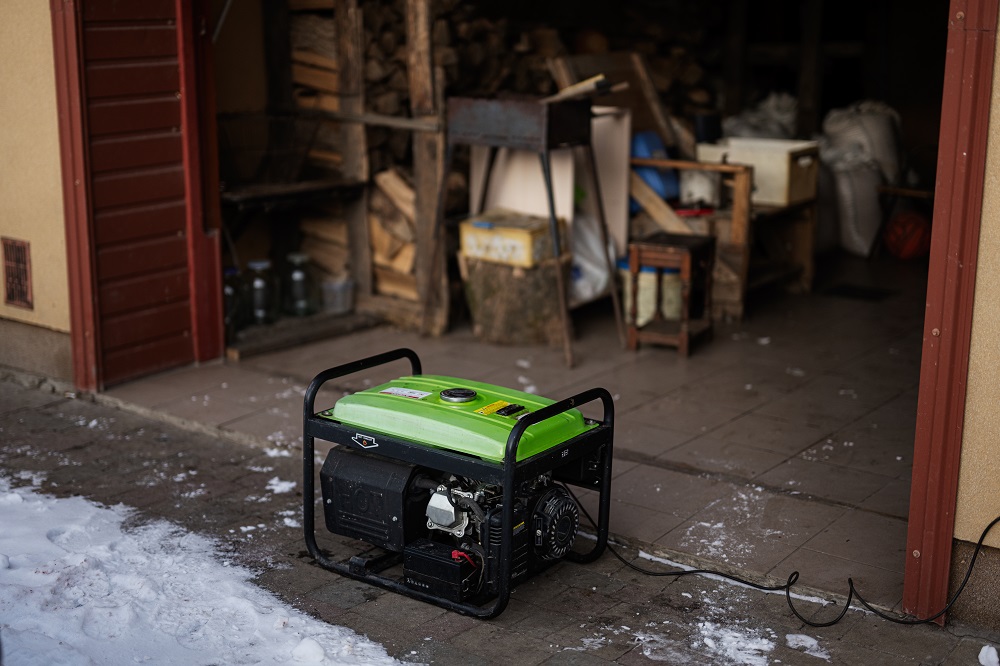
Install Generators for Emergency Power Shortages
Power outages are common during many types of emergencies and can disrupt daily life quickly. Installing a generator provides a reliable backup power source when electricity is unavailable. This ensures essential systems like lighting, refrigeration, and communication devices continue functioning.
A generator can be especially helpful for households with medical equipment or remote work needs. Scheduling a Residential Generator Service helps ensure the system is properly installed and maintained without complications. Professionals can also do regular testing that allows homeowners to identify issues before an actual emergency occurs. Having emergency power available adds comfort, safety, and confidence during uncertain situations.
Develop a Clear Family Emergency Plan
A family emergency plan helps everyone know what to do when a crisis occurs. This plan should outline evacuation routes, meeting points, and communication methods. Children should understand basic steps in a way that feels reassuring rather than frightening. Practicing the plan together helps build familiarity and confidence over time. It is also helpful to include contact information for local emergency services and trusted neighbors. Written plans should be stored in an easy-to-find location for reference. Clear communication and preparation reduce confusion during stressful moments.
Stay Informed and Review Your Preparedness Regularly
Staying informed about local risks allows households to prepare more effectively. Weather alerts, emergency updates, and community guidelines provide valuable information. Reviewing emergency plans and supplies at least twice a year keeps everything up to date. Family needs may change over time, making adjustments necessary.
Seasonal hazards should also be considered when updating preparations. Taking time to review preparedness helps reinforce good habits and awareness. Consistent attention ensures your home remains ready for a variety of emergencies.
Final Thoughts
Preparing your home for emergencies is an ongoing process, not a one-time task. Each step you take helps create a safer and more resilient household. Thoughtful preparation allows families to respond with confidence instead of panic. Even simple improvements can have a meaningful impact during difficult situations. Involving everyone in the process builds teamwork and awareness. Regular planning helps reduce potential risks and uncertainties. With the right approach, your home can be a place of stability even when disaster strikes.
 Techonomy
Leave a comment